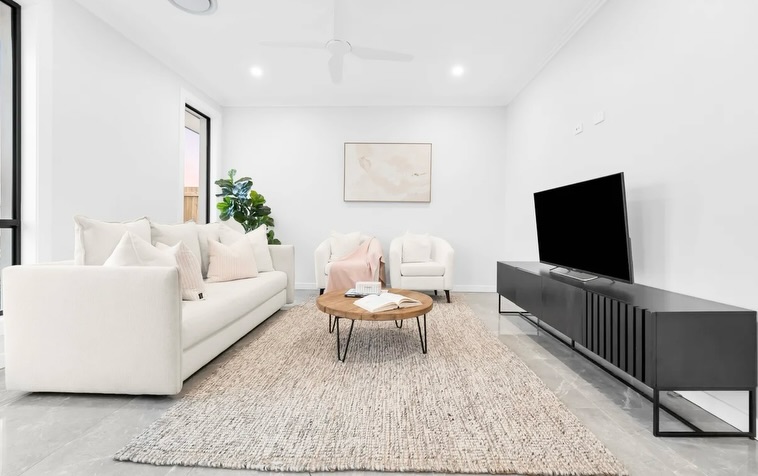
Staging for the Way Brisbane Buyers Actually Live Today
The way Brisbane buyers live has changed — and the homes that sell fastest are the ones that reflect that shift.
Today’s buyers aren’t looking for picture-perfect interiors that feel untouchable. They’re looking for homes that feel liveable, adaptable, and aligned with how life actually works now.
That’s why effective home staging in Brisbane is no longer about following trends alone. It’s about understanding how buyers live today — and staging homes to match that reality.
How Brisbane Buyer Lifestyles Have Shifted
Brisbane buyers in 2026 are more intentional, lifestyle-driven, and emotionally aware than ever before. Their decisions are shaped by daily routines, flexibility, and long-term comfort — not just aesthetics.
Key lifestyle changes influencing buying decisions include:
Hybrid and work-from-home arrangements
Greater focus on wellbeing and balance
Increased use of shared living spaces
A stronger desire for indoor–outdoor flow
Homes that feel calm, functional, and low-maintenance
Staging that reflects these priorities helps buyers immediately feel aligned with the space.
What “Living Well” Looks Like to Brisbane Buyers Today
1. Spaces That Feel Comfortable, Not Curated
Buyers want homes that feel welcoming and easy to live in — not overly styled or fragile.
Effective staging now prioritises:
Relaxed, functional layouts
Furniture that feels appropriate to scale
Rooms that feel lived-in without being cluttered
The goal is to make buyers feel at ease the moment they walk through the door.
2. Homes That Support Flexible Living
One of the biggest shifts in buyer expectations is flexibility.
Staging should demonstrate how spaces can adapt, such as:
A spare room styled as a home office or study
Multi-purpose living areas that feel open yet defined
Quiet corners that suggest rest, reading, or focused work
When buyers see adaptability, they see longevity.
3. Strong Indoor–Outdoor Connection
Indoor–outdoor living remains a major lifestyle driver for Brisbane buyers — but now it’s about use, not just access.
Lifestyle-based staging highlights:
Outdoor areas styled as true extensions of the home
Visual flow between interior living spaces and alfresco zones
Layouts that encourage entertaining and everyday outdoor use
Buyers don’t want outdoor spaces that look nice — they want spaces they can imagine using weekly.
4. Homes That Feel Calm and Balanced
After years of fast-paced change, buyers are craving homes that feel grounding.
Staging that resonates emotionally focuses on:
Soft, neutral colour palettes
Natural textures and layered materials
Clear, uncluttered spaces that feel breathable
A calm environment helps buyers stay longer, engage more deeply, and form emotional connections.
5. Everyday Function Over Formal Design
Formal rooms and impractical layouts are losing appeal. Brisbane buyers want spaces that support real life.
This includes:
Dining areas that feel casual and usable
Living rooms designed for daily comfort
Bedrooms styled for rest, not display
Homes that feel functional help buyers feel confident about their decision.
Why This Approach Helps Homes Sell Faster
When staging reflects how buyers actually live:
Homes feel relatable and familiar
Buyers connect emotionally sooner
Inspection time increases
Decision-making feels easier
Rather than imagining how a home could work, buyers can immediately see how it already does.
That clarity often leads to faster offers and stronger interest.
Final Thoughts
Brisbane buyers today aren’t chasing perfection — they’re choosing homes that fit their lives.
Staging that reflects real routines, flexible living, and lifestyle comfort helps buyers feel understood, supported, and ready to move forward.
When a home feels like it already works for them, selling becomes less about persuasion — and more about alignment.
