
How Home Staging Can Help You Sell a Vacant Property
Selling a vacant property can present unique challenges in the real estate market. Without furniture or décor, a home may feel impersonal or lack warmth, making it harder for potential buyers to imagine themselves living there. This is where home staging can be a game changer. Whether you’re selling an empty house due to a move, a recent purchase, or a newly built property, staging can help transform an otherwise lifeless space into one that attracts buyers and encourages offers.
In this post, we’ll explore how home staging can help you sell a vacant property faster and for a higher price, turning it into a more inviting and desirable space.
1. Helps Buyers Visualise the Space’s Full Potential
One of the most significant benefits of staging a vacant property is helping buyers visualise how they would use the space. An empty home can feel cold, impersonal, and hard to imagine living in. Buyers may struggle to understand the potential of rooms that lack furniture or decoration, especially if the home has unique architectural features, awkward layouts, or unconventional spaces.
Staging helps solve this problem by furnishing the home with stylish, complementary furniture and decor, giving buyers a clear picture of how they could use the space. A well-staged home allows buyers to see the dimensions of rooms and how furniture can be arranged, making it easier for them to imagine themselves in the property. This is especially important in vacant homes, where the absence of furniture might cause the space to feel unfinished or uninviting.
2. Makes the Home Feel Warm and Inviting
Vacant properties can often feel stark and unwelcoming, which can deter potential buyers. Even if a home is in excellent condition, without furnishings, it may lack the warmth and charm that buyers are looking for. Staging helps fill the void by creating an atmosphere of comfort and homeliness.
By introducing carefully chosen furniture, soft textiles, and accessories, such as rugs, cushions, and art, staging creates a welcoming vibe. Buyers are more likely to connect emotionally with a property that feels cosy and well-lived-in. Staging also makes the home feel more "finished," offering a sense of completeness that’s often missing from vacant spaces.
3. Highlights the Home’s Best Features
Staging can highlight the best features of a vacant property, showcasing what makes the home special. Whether it’s a beautiful fireplace, spacious open-plan living area, or stunning views, home staging can strategically draw attention to these features.
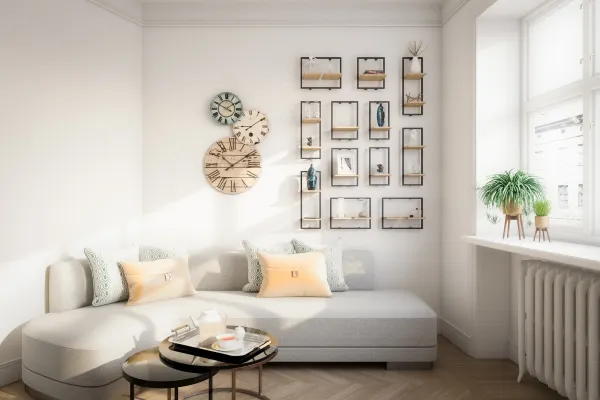
For example, if the property has a large living room, staging it with a comfortable sofa, stylish coffee table, and tasteful décor will help buyers imagine how the room can be used. If the home has stunning floor-to-ceiling windows or a balcony with a view, staging can make sure the furniture placement highlights these aspects of the home.
When buyers can see the home’s key features in their best light, it not only increases the perceived value of the property but also makes it more likely that they will be excited to make an offer.
4. Creates a Better Sense of Scale
Empty rooms can often feel smaller or larger than they really are, which can lead to confusion or dissatisfaction among buyers. A staged property helps buyers understand the true scale of the rooms.
For example, staging can show how furniture fits within the space and allow buyers to see that the living room can comfortably accommodate a sofa, a coffee table, and other furnishings. On the other hand, staging can also show how smaller spaces, such as a compact bedroom, can still feel cosy and functional with the right furniture and décor.
By adding pieces that fit the scale of each room, staging helps to demonstrate the home’s true potential and ensures that buyers don’t misjudge the size of rooms or feel that certain areas of the home are unusable.
5. Improves Perceived Value and Justifies the Asking Price
Vacant homes often have a lower perceived value simply because they lack the emotional appeal of a lived-in, furnished space. Buyers may be less likely to offer the asking price for a vacant home, particularly if they have to envision the entire layout on their own.
Home staging increases the perceived value of a property by presenting it in its best possible light. When buyers see a beautifully staged home, they are more likely to view it as move-in ready, which can justify a higher asking price. The effort put into staging shows that the property is well-maintained and cared for, which can make buyers more willing to meet or exceed the seller’s asking price.
Staging also plays a key role in making the home feel more “premium,” especially in competitive markets where buyers have plenty of options. By demonstrating the value of the property through expert styling, you can help position your vacant property as a must-see.
6. Appeals to a Broader Range of Buyers
Not every buyer has the ability to visualise how a vacant property could look with furniture. Some buyers may also have trouble imagining how they would set up the space, especially if it’s a large or uniquely designed home. Home staging helps mitigate this by providing a clear and easy-to-follow layout, appealing to a wider range of buyers.
A professionally staged home makes it easier for buyers to see the property as a viable option, no matter their lifestyle or taste. Staging can incorporate a variety of design styles—modern, contemporary, traditional, or minimalist—helping you cater to different buyer preferences. By showcasing the property in its best form, staging helps you attract more interested buyers, which increases your chances of a faster sale.
7. Staged Homes Sell Faster
In addition to helping sell a vacant home for a higher price, home staging can also help it sell much faster. According to the National Association of Realtors (NAR), staged homes sell 73% faster than non-staged homes.
A vacant home that’s staged is more likely to catch the attention of prospective buyers and encourage them to put in an offer. The emotional connection created by a beautifully staged property can help speed up the decision-making process, reducing the time the property stays on the market. The quicker your home sells, the fewer ongoing costs—like mortgage payments, taxes, and maintenance—you will incur.
8. Helps with Marketing and Online Appeal
In today’s real estate market, many buyers begin their home search online. This means the first impression of your home is often made through photos. A vacant home with no furniture or décor can appear dull in photos, making it harder to stand out in a crowded market.
Staging helps make your property more visually appealing in listing photos, which can generate more interest from buyers. Homes with professional, stylish staging tend to have better online appeal and attract more attention during the initial search phase. This can lead to more showings and, ultimately, more offers.
Conclusion
Selling a vacant property can be a challenge, but home staging is a powerful tool that can transform the space and make it more marketable. Staging helps buyers see the home’s true potential, creates an emotional connection, highlights the property’s best features, and justifies the asking price. It also makes the home feel warmer, more inviting, and easier to visualise as a place to live.
If you're looking to sell a vacant property quickly and for a higher price, investing in professional staging is a smart decision. The benefits of staging far outweigh the costs, providing you with a competitive edge in a busy real estate market. By staging your vacant home, you increase its appeal, attract more buyers, and set the stage for a successful sale.
